
All types of Protective Coatings
Key Information on Protective Coatings
Protective coatings and Epoxy / PU Floor Finishes are essential surface treatment systems designed to protect concrete and steel structures from environmental exposure, chemical attack, and abrasion. Skyline Infra provides a wide range of protective coatings. These coatings form a durable, seamless, and chemical-resistant layer that not only enhances surface strength but also improves appearance and service life. Epoxy and PU floor finishes are widely used in industrial floors, parking areas, and warehouses for their durability and smooth, dust-free finish.
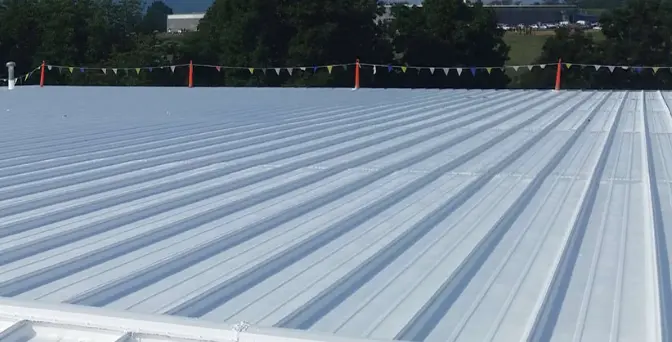
A) Importance of Protective Coatings and Epoxy / PU Floor Finishes.
Protective coatings are vital for preventing corrosion, moisture ingress, and surface degradation.
In RCC and steel structures, they:
- Extend the lifespan of the surface.
- Reduce maintenance and repair costs.
- Improve safety, hygiene, and visual appeal.
- Provide strong resistance to chemicals, abrasion, and UV rays.
- Epoxy and PU coatings are particularly beneficial for industrial, commercial, and parking floors, ensuring durability, easy maintenance, and a dust-free finish.
B) Situations Requiring Protective Coatings and Floor Finishes,
Protective coatings and Epoxy / PU floor systems are recommended when:
- Structures are exposed to chemicals, water, or heavy traffic.
- Floors need a durable, glossy, and easy-to-clean finish.
- Early signs of concrete wear, cracks, or corrosion appear.
- Surfaces are located in industrial or coastal environments.
- Preventive protection is required before visible damage occurs.
- Surfaces demand enhanced chemical or thermal resistance.
C) Precautions During Application.
To ensure effective performance, proper surface preparation and controlled application are crucial:
- Clean and dry the surface completely.
- Check moisture content before coating.
- Follow manufacturer’s specifications for primer and coating thickness.
- Allow adequate curing time between coats.
- Avoid application during rain or high humidity.
- Ensure safety and ventilation during work.
D) Common Failures in Protective Coatings.
Failures can occur if the coating is applied incorrectly or under unsuitable conditions:
- Delamination or peeling due to poor surface preparation.
- Blistering from trapped moisture.
- Improper mixing of coating components.
- Cracking or discoloration due to early exposure.
- Incompatible or low-quality materials used.
Such issues can compromise surface protection and require reapplication.